
The Role of Omega-3s in Menopause Wellness
If you’ve ever felt like menopause has you riding an unpredictable rollercoaster of hot flashes, mood swings, and aching joints, you’re not alone. One surprisingly simple tool that can help smooth out the bumps? Omega-3 fatty acids. These anti-inflammatory nutrients may help with some common symptoms of menopause, with one study even finding they reduced the frequency of hot flushes.1
Understanding Menopause and Omega-3 Connection
As many women navigate the challenging waters of menopause, they’re increasingly seeking other ways to manage their symptoms. Menopause is diagnosed after 12 months without menstrual periods, typically occurring in the late 40s to early 50s.2 This biological transition marks more than just the end of reproductive years, it’s a complex process that affects virtually every system in the body.
During the menopausal transition, declining estrogen levels trigger a cascade of symptoms that can significantly impact quality of life. Hot flashes affect up to 70% of menopausal women, while mood changes, joint pain, and sleep disturbances become increasingly common.2,3 These symptoms aren’t just inconvenient, they may be linked to increased inflammation throughout the body as hormonal changes disrupt the delicate balance that once protected against inflammatory processes.
This is where omega 3 fatty acids enter the picture. These essential fatty acids possess powerful anti inflammatory properties that may help combat inflammation linked to some menopausal symptoms. A landmark study published in the 2009 Menopause journal found that omega-3 supplementation reduced hot flush frequency in menopausal women.1
The connection between omega 3 menopause relief extends beyond just hot flashes. These essential fats support cardiovascular health, brain health, and bone density, all areas of particular concern for women navigating hormonal changes during this life stage.
The Science Behind Omega-3 Fatty Acids
To understand how omega 3s can help during menopause, it’s essential to grasp what these nutrients actually are. Omega-3 fatty acids are a group of essential fatty acids that the body cannot produce independently, making dietary intake crucial for optimal health.4 These chain like chemical molecules serve as building blocks for various body function processes, particularly those involving inflammation regulation and cell membranes stability.
The two most important omega 3 fatty acids for menopausal women are eicosapentaenoic acid (EPA) and docosahexaenoic acid (DHA). EPA primarily supports cardiovascular health and inflammation control, while DHA is crucial for brain health and central nervous system function. Together, these essential nutrients work synergistically to support multiple body systems during the hormonal changes of menopause.

The anti inflammatory properties of omega-3s work at the molecular level by suppressing the production of inflammatory molecular messengers called cytokines.5 This mechanism is particularly important during menopause when declining estrogen levels can trigger increased inflammation throughout the body.6 Researchers are still exploring how this may relate to bone, heart and mood health during this transitional period.
Interest in omega-3s isn’t new. Early reports that Eskimo populations, whose traditional diets were high in oily fish, had low rates of heart disease sparked decades of research into omega-3s’ therapeutic potential.
Specific Menopausal Symptoms Omega-3 Can Address
The relationship between omega 3 and menopause symptoms extends across multiple areas of health concern for women during this transition. Understanding how these essential fats address specific symptoms can help women make informed decisions about incorporating them into their wellness strategy.
Hot Flashes and Night Sweats

Hot flushes represent one of the most troublesome menopausal symptoms, affecting sleep quality and daily comfort. The 2009 Menopause journal study demonstrated that omega-3 supplementation significantly reduced the frequency of hot flushes in menopausal women.1
Mood and Emotional Wellbeing
Many women experience mood swings and changes in emotional wellbeing during the menopausal transition. Omega-3 fatty acids, particularly EPA, play a role in brain health, and researchers are exploring how they relate to mood during hormonal changes. If your mood is worrying you, talk to your doctor.
Joint Pain and Stiffness
Joint pain becomes increasingly common during menopause as estrogen levels decline. The anti inflammatory properties of omega-3s are being studied for their role in joint comfort and stiffness. If joint pain is ongoing, check in with your doctor.
Sleep Problems and Brain Fog

Sleep disturbances and cognitive changes, often described as brain fog, are common complaints during menopause. DHA, which is highly concentrated in brain tissue, supports central nervous system function, and researchers are exploring its role in sleep and mental clarity.4
Heart Health
Heart health becomes even more important after menopause as estrogen levels decline.7 Omega-3 fatty acids are well known for their role in heart health, so it’s worth talking to your doctor about your heart health and the right approach for you during the postmenopausal years.8
Dietary Sources of Omega-3 for Menopausal Women
Incorporating omega-3 rich foods into your daily diet represents the most natural and sustainable approach to obtaining these essential nutrients. For menopausal women, understanding both marine and plant-based sources ensures flexibility in meeting nutritional needs while supporting symptom management.
Fatty Fish: The Gold Standard
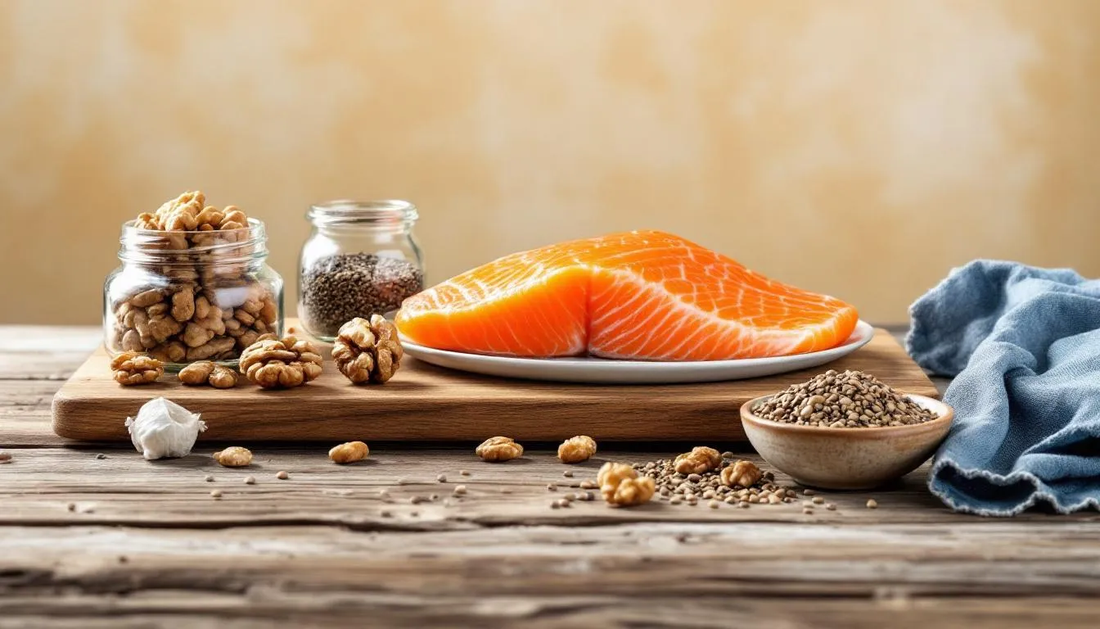
Fatty fish remain the most bioavailable source of EPA and DHA for menopausal women. Salmon, mackerel, sardines, and tuna should be consumed 2-3 times weekly to achieve optimal omega-3 intake.8 These oily fish provide the most concentrated sources of the specific omega 3 fatty acids.
A typical serving of salmon (100 grams) provides approximately 1.8 grams of combined EPA and DHA, making it easy to meet the suggested daily target of 430mg through food sources alone.9,10 Sardines and mackerel are also more sustainable and typically contain lower levels of heavy metals than larger fish species.
Plant-Based Omega-3 Sources
For women following vegetarian diets or seeking to diversify their omega-3 sources, several plant options provide alpha linolenic acid (ALA), which the body can partially convert to EPA and DHA. Chia seeds, flaxseeds, walnuts, and hemp seeds all offer significant omega-3 content, though the conversion rate to the more active EPA and DHA forms is limited.4
Flaxseed oil and walnut oil provide concentrated ALA sources, while canola oil offers a more modest omega-3 content. Many foods in modern diets lack adequate omega-3 content, making conscious food choices particularly important for menopausal women seeking natural symptom relief.
Daily Intake Targets and Meal Planning
The National Health and Medical Research Council suggests a target of 430mg of combined DHA and EPA daily for optimal health benefits.10
Combining multiple sources throughout the day helps ensure consistent intake. A typical day might include a walnut and chia seed breakfast bowl, a salmon lunch, and an evening serving size of sardines or a quality fish oil supplement to reach optimal levels.
Omega-3 Supplements During Menopause
While dietary sources remain ideal, omega-3 supplements offer a practical solution for many women experiencing menopause symptoms. Understanding the different types, quality considerations, and proper dosing helps ensure maximum benefit from supplementation.
Fish Oil Supplements: Convenience and Concentration
A fish oil supplement typically provides convenient daily dosing with standard capsules containing approximately 120mg DHA and 180mg EPA per 1000mg capsule.9 This concentration makes it relatively easy to achieve therapeutic doses, though multiple capsules may be necessary to reach the levels used in clinical research.
Quality fish oil supplements should be sourced from deep-water fish caught in clean environments to minimize exposure to heavy metals and other contaminants. Advanced extraction processes ensure purity and freshness, which is crucial for maintaining the stability of these delicate essential fats.
Algal Oil: The Vegan Alternative
For women avoiding fish products, algal oil supplements derived from marine algae provide a vegetarian and vegan-friendly source of DHA and EPA. These supplements offer similar bioavailability to fish oils while avoiding concerns about overfishing and marine contamination.11
Optimal Omega-3 to Omega-6 Balance
Understanding the relationship between omega-3 and omega-6 fatty acids is crucial for maximizing the anti inflammatory benefits during menopause. The ideal omega-6 to omega-3 ratio should fall between 2:1 and 4:1 for optimal health, but modern diets often skew this balance dramatically.12
The Problem with Western Diets
Current Western dietary patterns have created omega-6 to omega-3 ratios reaching 15:1 to 20:1, heavily favoring the more inflammatory omega-6 fatty acids.12,13 This imbalance may worsen inflammation and counteract many of the benefits that omega-3 supplementation might otherwise provide.
Omega-6 fatty acids, while essential nutrients, become problematic when consumed in excess. Many foods in modern diets, particularly corn-derived products, plant oils high in omega-6, and grain-fed animal products, contribute to this inflammatory imbalance.
Strategies for Better Balance
Reducing omega-6 intake while increasing omega 3s requires conscious dietary choices. Limiting processed foods, choosing grass-fed animal products, and replacing high omega-6 plant oils with olive oil can help restore balance. The Mediterranean diet approach, emphasizing olive oil, fresh fish, fruits, and vegetables, naturally promotes a healthier omega fatty acid ratio.
Lifestyle Changes for Optimal Results
Healthcare professionals often recommend combining omega-3 supplementation with broader lifestyle changes for maximum benefit during menopause. Regular exercise, stress management, and maintaining healthy body weight all work synergistically with omega-3s to reduce inflammation and improve symptom management.

Smart Choices with Expert Advice
While omega-3 supplements suit many menopausal women, proper medical guidance helps you use them well. Understanding potential interactions and contraindications helps women make informed decisions about incorporating these supplements into their menopause management strategy.
Talk It Over with a Health Professional
Consulting with healthcare providers before beginning omega-3 supplementation is particularly important for menopausal women who may be taking medications for various age-related health concerns. A healthcare professional can evaluate individual medical history and current medications to identify any potential interactions or contraindications.
Women taking anticoagulant medications should exercise particular caution, as high-dose omega-3 supplements may increase bleeding risk.4 Similarly, those with bleeding disorders or scheduled for surgery should discuss timing and dosing with their healthcare provider.
Monitoring and Adjusting Dosage
Starting with conservative doses allows healthcare providers to monitor individual response and adjust as needed. Some women may experience mild gastrointestinal symptoms when beginning supplementation, which often resolve with dosage adjustments or taking supplements with food.
Knowing When Extra Support Helps
While omega-3s may provide some support for menopausal symptoms, they shouldn’t replace conventional medical care when symptoms are severe. Women experiencing persistent hot flashes, severe mood changes, or other debilitating symptoms should work with healthcare professionals to develop comprehensive treatment plans that may include omega-3s alongside other evidence-based interventions.
Special Considerations for Different Health Conditions
Women with specific health conditions may need modified approaches to omega-3 supplementation. Those with breast cancer history, early menopause, or cardiovascular disease may benefit from targeted dosing strategies developed in consultation with specialists familiar with their specific health needs.
The australasian menopause society and other professional organizations provide guidelines that healthcare professionals use to make individualized recommendations about complementary medicines, including omega-3s, during menopause, ensuring that supplementation aligns with each woman’s unique health profile and symptom pattern.14
Common Questions, Clear Answers
How long does it take for omega-3 supplements to reduce menopausal hot flashes?
There’s no set timeline, and every woman responds differently. Omega-3s are generally thought to work gradually, so consistency matters, and it’s worth checking in with your health professional if you’re not noticing a difference.
Are there any menopausal women who should avoid omega-3 supplements?
Women taking blood-thinning medications, those with fish allergies, or individuals with certain bleeding disorders should exercise caution with omega-3 supplements. Additionally, women scheduled for surgery should typically discontinue supplements beforehand due to potential bleeding risks. Pregnant women and perimenopausal women who might become pregnant should consult healthcare providers about appropriate omega-3 sources and dosing, as needs may differ during pregnancy.
What’s the difference between fish oil and algae oil for menopausal symptom relief?
Both fish oils and algae oil can provide EPA and DHA. Fish oil typically offers higher concentrations of EPA, which may be particularly beneficial for mood and inflammation control. Algae oil provides an excellent option for vegetarians and vegans while offering similar bioavailability.11 The choice often depends on dietary preferences, sustainability concerns, and individual tolerance, as both forms can effectively deliver the essential nutrients needed for menopausal symptom management.
Should I stop taking omega-3 supplements if my menopausal symptoms improve?
Some women choose to continue omega-3 supplementation even after symptoms improve, as these essential fats may provide ongoing benefits for heart health, bone density, and overall inflammation control. Heart health becomes increasingly important for postmenopausal women who face increased risk of heart disease.7 However, dosing may be adjusted based on symptom improvement and overall health goals. Maintaining adequate omega-3 intake through diet and supplements supports long-term health during the postmenopausal years and beyond.
References
- Lucas M, Asselin G, Mérette C, Poulin MJ, Dodin S. Effects of ethyl-eicosapentaenoic acid omega-3 fatty acid supplementation on hot flashes and quality of life among middle-aged women: a double-blind, placebo-controlled, randomized clinical trial. Menopause. 2009;16(2):357-366. Funding: not reported in the published abstract.
- healthdirect Australia. Menopause - symptoms and treatments. Healthdirect Australia, last reviewed November 2025.
- Li M, Hung A, Lenon GB, Yang AWH. Chinese herbal formulae for the treatment of menopausal hot flushes: a systematic review and meta-analysis. PLoS One. 2019;14(9):e0222383. Funding: the authors received no specific funding for this work.
- Office of Dietary Supplements, National Institutes of Health. Omega-3 Fatty Acids: Fact Sheet for Consumers. NIH Office of Dietary Supplements, updated July 2022.
- Calder PC. Omega-3 fatty acids and inflammatory processes: from molecules to man. Biochem Soc Trans. 2017;45(5):1105-1115. Funding: not reported in the published abstract.
- Pfeilschifter J, Köditz R, Pfohl M, Schatz H. Changes in proinflammatory cytokine activity after menopause. Endocr Rev. 2002;23(1):90-119. Funding: not reported in the published abstract.
- El Khoudary SR, Aggarwal B, Beckie TM, Hodis HN, Johnson AE, Langer RD, et al. Menopause transition and cardiovascular disease risk: implications for timing of early prevention: a scientific statement from the American Heart Association. Circulation. 2020;142(25):e506-e532. Funding: not reported in the published abstract.
- Heart Foundation. Omega-3, Omega-6 and Heart Health. National Heart Foundation of Australia, last updated June 2025.
- Office of Dietary Supplements, National Institutes of Health. Omega-3 Fatty Acids: Fact Sheet for Health Professionals. NIH Office of Dietary Supplements, updated August 2025.
- National Health and Medical Research Council. Nutrient Reference Values for Australia and New Zealand: Macronutrient balance. Eat For Health, Australian Government.
- Bailey E, Wojcik J, Rahn M, Roos F, Spooren A, Koshibu K. Comparative bioavailability of DHA and EPA from microalgal and fish oil in adults. Int J Mol Sci. 2025;26(19):9343. Funding: no external funding reported; five of the six authors are employed by dsm-firmenich, a supplier of omega-3 oils.
- Simopoulos AP. The importance of the ratio of omega-6/omega-3 essential fatty acids. Biomed Pharmacother. 2002;56(8):365-379. Funding: not reported in the published abstract.
- Simopoulos AP. An increase in the omega-6/omega-3 fatty acid ratio increases the risk for obesity. Nutrients. 2016;8(3):128. Funding: the author reported no funding for this article.
- Australasian Menopause Society. Complementary Medicines and Therapies: Options for Menopausal Symptoms. Australasian Menopause Society fact sheet.
